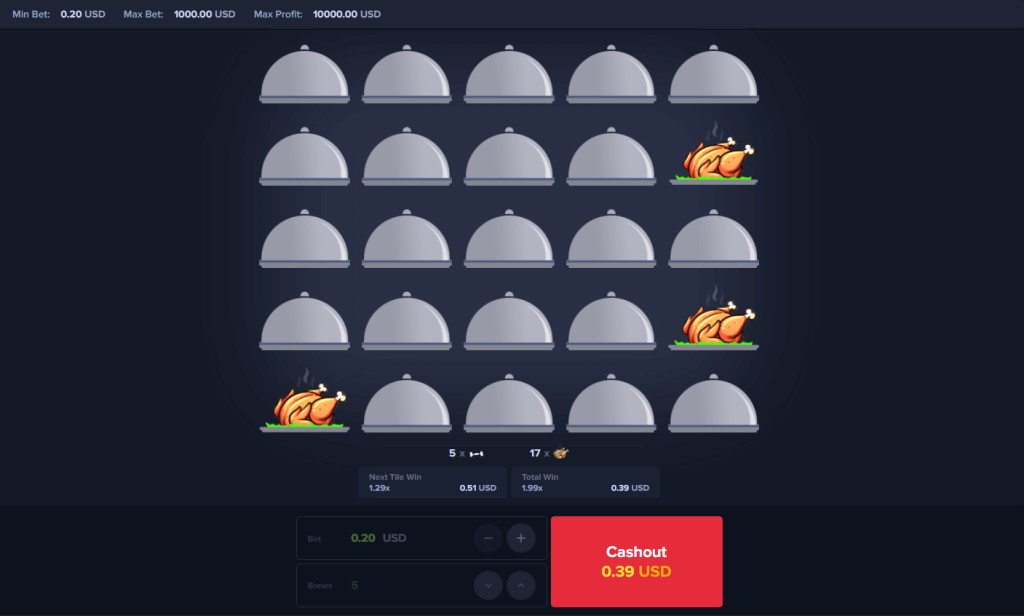
Slot volatility is discussed a lot in forums and reviews, but when you’re actually spinning, it can still feel a bit fuzzy. In simple terms, volatility (or variance, or risk level) describes how a slot game pays out over time. It tells you whether you’ll see lots of small, regular wins or fewer, larger payouts — and that significantly influences how your bankroll behaves during a session. For UK players who prefer a balanced mix of entertainment and winning potential, understanding volatility is the first step towards selecting games that suit your style. Let’s explain the concept using a real example: Chicken Royal, a farmyard-themed slot with a light-hearted feel. By looking at its mechanics, bonus features, and payout structure, we’ll show you a simple, practical framework you can use on any slot. You’ll discover what to look for, how to interpret the numbers, and how to manage your expectations so every spin is an informed one.
Widespread Misconceptions About Slot Volatility
A lot of players fail to grasp slot volatility. One myth suggests that high-volatility slots have better RTP or tend to pay a jackpot. Actually, RTP and volatility are independent. An additional myth is that a slot is ‘due’ for a payout after a losing streak; that is the gambler’s fallacy. Every spin stands alone, and the game forgets past results. Volatility simply describes the distribution over millions of spins, rather than short-term results. Certain think increasing bet size alters volatility; that is incorrect. The underlying math stay unchanged regardless of stake. Additionally, don’t confuse hit frequency with volatility. Hit frequency measures how frequently any win occurs, while volatility is about win sizes. A machine can hit often but be classified as high volatility when most wins are tiny and big wins are infrequent. By understanding what volatility signifies, you can avoid common traps and concentrate on what matters: locating games that fit your style and budget.
Stake Options and Maximum Win Potential
Chicken Royal provides a adaptable betting range that accommodates both casual players and high rollers. Minimum bets often start at £0.10 or £0.20, while the maximum can go up to £100 or more. The maximum win is typically expressed as a multiplier of your stake, such as 5,000x, meaning a £1 bet could return £5,000. Exact figures should be verified in the paytable, as they can vary. The bet range and max win are strongly connected to volatility: a high max win multiplier typically indicates higher volatility because the game must support that rare payout with many smaller or non-winning spins. When trying a medium-high volatility slot like Chicken Royal, a smaller bet relative to your bankroll provides you with more spins and a better chance of unlocking the bonus. This approach allows you to ride out the natural downswings and stay in the game long enough to experience its full range of features. We strongly advise setting a session budget and following it, no matter how tempting the max win seems.
Understanding Slot Volatility and Its Importance
Slot volatility indicates risk. A low volatility slot offers small wins often, keeping your balance steady but hardly ever giving a life-changing hit. High volatility games, however, may experience long dry spells without winning, but when they do pay, the amounts are typically much larger. Medium-volatility slots are a middle ground — a compromise many players like. The volatility level is determined by the game developer, built into the mathematical model that controls symbol distribution and bonus frequencies. It remains constant from spin to spin or session to session; it’s a fixed characteristic of the game. When you hear a slot referred to as ‘tight’ or ‘loose’, that’s usually a reference to its volatility, though RTP is a factor. Comprehending this basic spectrum is the initial step towards choosing smarter choices about which games to play.
Why does volatility make such a difference? Because your enjoyment and your bankroll management rely on it. If you have a modest budget and plan to play for an hour without losing everything, a low-volatility game is your friend. If you are after a big jackpot and can handle the swings, high volatility may be preferable. We often see players get frustrated simply because they picked a game whose volatility was not suited to their expectations. For UK players, the good news is that most reputable game providers and casino operators currently show volatility ratings clearly in the game information section. Look at that before you start, and you can align your session with your goals. Volatility also impacts the optimal bet size. In a high-volatility game, you may want to bet smaller to weather the dry spells, whereas in a low-volatility game, you are able to bet a bit more since wins come frequently. Being aware of the volatility enables you to set realistic expectations and enjoy the experience rather than feeling cheated by the game’s natural rhythm.
The way Chicken Royal Shows Volatility in Action
Chicken Royal places you inside a light-hearted farmyard in which a regal chicken presides. The visuals appear bright and cartoonish, with a countryside backdrop that creates a relaxed, playful tone immediately. The reels feature themed symbols — royal eggs, golden corn, and the Chicken Royal himself, who likely serves as the highest-paying icon. As with most modern video slots, the game combines standard symbols with special icons that trigger bonus features. The audio fits the theme with cheerful barnyard sounds and a jaunty soundtrack that maintains the mood upbeat. Though the exact details of the game’s design are in the paytable, the overall presentation is obviously targeted at players who appreciate a fun, engaging atmosphere without taking things too seriously. For UK slot enthusiasts, this kind of theme provides a welcome break from more serious or complex fantasy slots, rendering it an accessible choice for a casual session.
Chicken Royal sits in the moderate-to-high volatility range. That indicates the base game is designed to deliver a consistent trickle of smaller wins, while the real excitement mounts when you activate the free spins round or land a series of high-value symbols. The game’s mathematical model dedicates a substantial portion of its return to the bonus features, so you may go through stretches of quiet play interrupted by bursts of larger payouts. This blend of frequent small payouts and the potential for larger feature-driven wins is what defines the medium-high category. For UK players who enjoy slots that offer both regular entertainment and the occasional adrenaline spike, this balance can be particularly attractive. Of course, volatility isn’t the only factor that affects your experience — the game’s RTP, hit frequency, and bonus mechanics all play a part. In the following sections, we’ll examine each of these elements so you can see exactly how Chicken Royal develops its volatility profile.
Reels, Rows, and Paylines: The Core of the Game
Board Layout and Winning Ways
The Chicken Royal slot uses a standard grid structure that many players will identify immediately. The game is based on a 5-reel three-row layout, the standard in the industry for video slots. Paylines are formed by getting matching symbols on consecutive reels along a set of predetermined paylines. While the exact number can differ, Chicken Royal typically offers between 20 and 25 set lines, so all lines are in play on every spin. This set-line approach streamlines betting: you select your total stake per spin, and the game by itself covers every available winning path. The paylines go from left to right, and only the maximum win per line is given. To grasp volatility, examine the symbol distribution in the paytable. A game with many low-value symbols and few premium icons will deliver more frequent small wins, a trademark of lower volatility. By analysing the paytable, you can develop a sense for the hit frequency and the game’s total risk level. We consistently suggest taking a minute with the paytable before you start spinning. It’s the fastest way to gauge what kind of journey you’re in for.
Return to Player and Risk Settings in Chicken Royal
Player Return (RTP) is the expected percentage of all wagered money that a slot returns over a long period. A 96% RTP signifies that, on average, £96 is refunded for every £100 staked. RTP and volatility are distinct but connected: RTP gives the long-term average, while volatility explains how that return is allocated. Chicken Royal usually offers an RTP between 95% and 96.5%, which is normal for UK-facing slots. The exact figure can be located in the game’s information screen. What makes this game notable is how its RTP is assigned. A large portion is reserved for the bonus features, so the base game may feel less generous while it progresses towards the free spins. This is characteristic of medium-high volatility slots: you trade base-game consistency for the chance of a profitable bonus. We always advise reviewing both RTP and volatility before playing, as together they provide the clearest picture of what to expect.
Extra Features That Influence the Volatility Profile
Free Spins and Multiplier Effects
The bonus spins feature is the point at which Chicken Royal stands out. To activate it, you generally need three or more scatter symbols anywhere on the reels. Once inside, you get a set number of free spins, often between 8 and 15, and every win may be subject to a multiplier. Multipliers can span from 2x to 10x, and sometimes they rise as the feature progresses. This focuses a large chunk of the RTP into a rare event, which is a key driver of volatility. During the base game, your balance may slowly decline, but a single big multiplier in the free spins can more than compensate for the wait. Retriggers are frequently possible, adding extra spins and increasing the win potential. The exact number of free spins and multiplier values can be viewed in the game’s paytable, and we recommend doing so to appreciate the full potential. For UK players who appreciate the chase, this setup is highly engaging. Just keep in mind that the dry spells are part of the design. That’s volatility at work.
Wilds and Scatter icons
Wild symbols in Chicken Royal substitute for regular paying symbols, helping complete wins. Frequently, the wild symbol is a high-paying symbol. Scatters are the key to the bonus; they don’t need to land on a payline and can trigger free spins from any position. During the free spins, you may come across special wild features like expanding or sticky wilds, which can greatly enhance win potential. In Chicken Royal, the wild can also carry its own payout when multiple show up on a line, adding an extra layer of anticipation to every spin. These enhancements drive the volatility higher because they provide the chance for massive payouts during the bonus. When you see expanding wilds in a slot’s bonus round, it’s a strong signal that the game tends toward higher volatility. The base game could feel quiet, but the wilds and scatters are building towards those exciting moments. We suggest trying the demo mode to observe how often these symbols appear and how they interact. It’s the best way to understand the game’s rhythm before playing with real money.
Useful Tips for Picking Slots According to Volatility
To apply volatility understanding to any slot, begin by looking at the game’s volatility level in the info section. If it’s not stated, determine it from the paytable: a big gap between high and low symbol payouts suggests higher volatility. Also, look at the max win multiplier: anything above 10,000x is probably high volatility. Review the bonus features: games that require many scatters or have low feature hit rates usually be more volatile. Evaluate your own preferences: do you enjoy long chases or steady play? There’s no correct answer. In the UK, you can play most slots in demo mode before betting real money. We recommend at least 50 to 100 demo spins to assess how a game behaves. By combining these checks, you can quickly size up any new game and decide whether it deserves a spot in your rotation. This hands-on test is the finest way to determine if a slot’s volatility fits your style.
Tips for Play Chicken Royal and Control Your Bankroll
Getting started with Chicken Royal is simple. Load the game on your PC, tablet, or mobile, no download needed. Before you begin, take a minute to familiarise yourself with the paytable. It shows the value of each symbol, describes the bonus features, and frequently shows the RTP and volatility rating. Adjusting your wager is straightforward: use the plus and minus buttons to change your total stake per spin. The game will by itself divide this across the fixed paylines. You can then spin manually or enable autoplay with a fixed number of spins and loss limits. Many UK versions also feature reality checks that notify you how long you’ve been playing. Because Chicken Royal is medium-high volatility, we suggest starting with smaller bets to prolong your playtime and improve your chances of triggering the free spins. A session bankroll of 100 to 150 times your bet is a reasonable starting point.
Although no strategy can change the spin outcomes, money management greatly impacts your experience. With Chicken Royal’s volatility geared towards bonuses, steer clear of betting so big that a few losses clean you out before a feature activates. Begin with smaller bets and raise only if your bankroll allows. Set a stop-loss limit and a win goal: decide in advance how much you’re ready to lose or what profit would please you to stop. If you double your balance, consider cashing out. Keep in mind that RTP and volatility are long-term averages; your session can vary widely. UK players can use safer gambling tools like deposit limits and reality checks. This attitude helps you appreciate the game’s features without the stress of attempting to beat the maths. The free spins round is engaging just because it’s unforeseeable, and that’s part of the fun. We think the best approach is to treat Chicken Royal as paid amusement, not a way to earn cash, and never chase losses.
Pulling It All Together: Making Volatility Work in Your Favor
Volatility doesn’t have to feel overwhelming. By checking the paytable, bonus features, max win, and bet range, you can quickly assess any slot. Chicken Royal, with its farmyard theme and medium-high volatility, is a ideal illustration. It demonstrates how a game can provide small base-game wins while reserving big moments for the free spins. For UK players, the key is to research before playing: check RTP, read the rules, and try the demo. Tailor the volatility to your goals and bankroll. If you want a relaxed session, go low volatility; if you seek big-win thrills and can handle swings, Chicken Royal works well. Knowledge doesn’t guarantee a win, but it helps you make smarter choices and enjoy the ride. The next time you load a game, take a moment to apply these steps; you might be amazed how much more in control you feel. We hope this simple approach gives you the confidence to explore new slots with a clear understanding of what makes them tick.