
We function in an environment where information flows quickly, yet meaningful understanding often trails behind. Across Canada, players seek more than a transactional experience; they want to learn why a slot operates a certain way, how a bonus truly functions, and what steps safeguard their interests before depositing. BetOnRed Casino responds to this demand by building an educational library that describes the mechanics of casino gaming with honesty and stability. The objective is not to promise riches or minimize risk, but to provide adults with knowledge for considered decisions. This approach treats gambling as entertainment with a mathematical backbone, not a mystery. When a platform invests in explaining RTP percentages, wagering requirements, and random number generators, it respects the intelligence of its Canadian audience. Educated players adapt expectations, budget realistically, and participate with less friction. This resource-first philosophy gradually transforms the conversation in a market where provincial regulators and player advocacy groups have long advocated for transparency. BetOnRed Casino’s stance is that knowledge is the most effective player protection tool, and the materials now available mirror that belief without resorting to jargon.
The Landscape of Canada’s Online Gambling
Canada’s online gambling landscape is a mosaic of provincial regulations, not a single federal framework. Ontario has launched its market under iGaming Ontario, while British Columbia and Quebec manage government platforms. In Manitoba and Alberta, players often access offshore-regulated sites by decision, drawn by broader selections and diverse bonuses. This fragmentation causes confusion, leaving players to understand terms and conditions without standard cross-province standards. BetOnRed Casino, serving Canada from its European base, fills that gap with an educational mission. The resources we analyzed do more than list rules; they clarify how regulatory differences impact gameplay, dispute resolution, and data protection. A player in Halifax faces a different local context than one in Saskatoon, but the mathematical core of the games—odds, volatility, payout structures—remains the same. By concentrating on universal principles, the materials give every Canadian visitor a standard of understanding that local legislation often overlooks. Provincial monopolies have historically provided limited educational content beyond simple responsible gaming reminders. The calm neutrality of these resources steers clear of marketing hype and comes across like a consumer information sheet, improving the industry bar.
Protection, Impartiality, and System Openness
Canadian data privacy expectations are high, influenced by PIPEDA and provincial health laws. BetOnRed Casino treats technical security as demonstrable fact, not marketing. The educational content describes SSL encryption in operational terms—data is scrambled between the player’s device and the server, making interception irrelevant—and describes how personal information is separated from gameplay analytics. Random number generator certification receives its own detailed section, stating that independent testing laboratories audit the RNG code to validate statistical randomness, and the results are not altered post-certification. Naming the testing agencies and audit frequency provides a Canadian player concrete details to check independently. The house edge is shown as the mathematical mechanism securing long-term viability, not a trick. This explanation aligns with the broader mission. A player who comprehends that a slot’s programming is as determined as a physical deck of cards is better equipped to evaluate fairness claims rationally. The resources also explain session logging, permitting players to ask for their play history—a feature appealing to those who keep gambling journals for tax or budgeting purposes. This technical openness creates a bridge between European platform operations and Canadian trust expectations.
Breaking Down Return to Player and Volatility
A pair of concepts define the educational foundation: return to player (RTP) and volatility. A lot of Canadian players see these on slot info pages but rarely receive a full explanation of what they indicate over a real session. Understanding here stops the common disappointment from a dry spell. The resources describe that an RTP of 96 percent does not ensure a 96-dollar return on a 100-dollar deposit in one sitting; it is a theoretical projection over millions of simulated rounds. A player who grasps this is less likely to pursue losses under the false assumption a machine is due to hit. Volatility, or variance, is approached with equal care. A high-volatility slot may go long stretches without a win, then produce a large payout, while a low-volatility game provides smaller, more frequent returns. This directly influences bankroll management and session length. The materials never imply one type is better; they simply chart the risk-reward profile so a player can align a game with their own temperament and budget. For Canadian winters that signify longer indoor leisure hours, realizing that a low-volatility game can extend entertainment time without large swings is practical knowledge, not abstraction. The instructional tone remains intentional and uncondescending.
Payment Literacy and Canadian Payment Methods
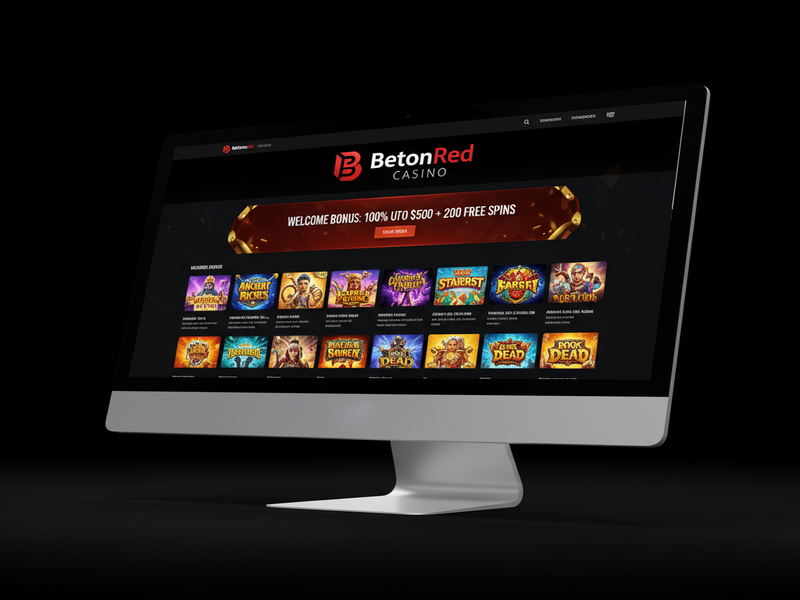
Money movement is a practical concern for all Canadian players. BetOnRed Casino’s guides explain banking options popular among Canadians—Interac, iDebit, Instadebit, MuchBetter, and ecoPayz—with typical processing times and associated charges clearly stated. This transparency is crucial because a gambler in Quebec utilizing Interac Online needs to know if a deposit is immediate or pending. The materials also explain the KYC process (KYC) for a initial withdrawal, detailing documentation: official photo identification, proof of address, and occasionally a capture of the deposit method. By framing KYC as a safety measure against money laundering and for account security, the materials minimize concern. We note that the KYC process usually requires 24 to 48 hours, after which future withdrawals are often more rapid. The resources also advise players to select the same payment option for withdrawal as for deposit if possible, bypassing extra verification steps. Crypto payment methods, where available, receive easy-to-understand descriptions of confirmation durations and market risks. Setting withdrawal limits and comprehending the difference between pending versus available funds are also included. For a nation where banking between provinces can involve minor delays, this hands-on money management enables a player to plan finances practically. A player who is aware that an Interac withdrawal may be reflected in their bank account within one working day can prevent unnecessary follow-up inquiries. This procedural clarity reduces customer support requests and boosts the general experience.
- Interac e-Transfer: immediate deposit; withdrawals typically processed within 24 hours after verification.
- iDebit: deposit in real time; cashouts take 1–3 business days.
- Instadebit: instant deposit; withdrawals processed in 1–3 business days.
- MuchBetter: instant deposit; withdrawals often within hours.
- ecoPayz: instant deposit; withdrawals processed in 1–2 business days.
Game Rules and Strategy Guides
Beyond slots, the platform offers strategy guides for table games that attract Canadians who learned from family card games and view blackjack or poker as skill-based activities. The basic blackjack strategy section outlines the optimal mathematical decision for every player-hand versus dealer-upcard combination, observing that deviating from basic strategy boosts the house edge, not superstition. For roulette, the difference between European single-zero and American double-zero wheels is quantified, indicating that bet selection and wheel type have a measurable long-term impact. Video poker gets similar treatment with pay tables analyzed so a player can recognize a full-pay 9/6 Jacks or Better versus a lower-paying variant. These resources don’t guarantee wins; they explain the structure within which chance operates. This educational content is a natural extension of the mathematical transparency elsewhere. For a player in Alberta or Ontario who might depend on forum hearsay, having an organized reference on the casino’s own site is a subtle yet impactful shift, presenting the operator as a facilitator of informed play rather than a counterparty hoarding secrets.

Ethical Gaming as a Key Curriculum
Safe betting messaging often appears as a required footer, but BetOnRed Casino handles it as core curriculum https://beton-red.eu/. Educational resources describe how deposit limits, session timers, and reality checks function at a detailed level, not merely as buttons. We saw descriptions walking a player through setting a weekly deposit cap and what happens when that cap is attained—automatic lockout until the set period expires, with no backdoor override from support. This detail builds trust. Canadian provincial health authorities have long promoted for tools that give players active control, and BetOnRed Casino’s materials align with that public health perspective. The resources also address psychological patterns leading to problematic play, such as the illusion of control or the gambler’s fallacy, in an evidence-based tone. By framing the information as a skill set—akin to reading a nutrition label—the platform normalizes self-regulation. A common thread is the promotion of breaks and treating any session as part of a longer entertainment horizon. For Canadian players accustomed to government-run harm-minimization campaigns, the depth of material feels reinforcing, bolstering messages already received through provincial channels.
- Deposit limits: daily, weekly, or monthly caps that block further deposits once hit, with no support override.
- Session timers: a visible countdown that alerts you of time spent and issues alerts at preset intervals.
- Reality checks: periodic pop-ups displaying session duration, wins, and losses, leading to a decision to continue or stop.
- Self-exclusion: flexible time-out periods ranging from days to permanent closure, final by customer service.
Unpacking Bonus Terms with Concrete Examples
Few areas cause more confusion than bonus fine print. BetOnRed Casino’s resources analyze a welcome offer line by line: the match percentage, minimum deposit, wagering multiple, the distinction between bonus funds and locked funds, and the list of games that contribute differently to turnover requirements. A 100% match up to C$500 with a 35-times wagering requirement on the bonus only is explained through a simple numeric example that a Canadian player can follow without financial training. This clarity matters because players using Interac e-transfers need to know exactly when real money becomes withdrawable and what happens if they attempt a premature withdrawal. The materials also detail time limits—a bonus may expire after seven days—and the consequences of trying to cash out before meeting the conditions. No vague phrase like “standard terms apply” is left unexamined; every condition is unpacked. The contribution rates are then broken down into a clear list:
- Video slots and scratch cards: 100% contribution, except a short list of low-edge titles that may be excluded entirely.
- Table-based games (blackjack, roulette): typically 5–10% contribution, significantly extending required playtime.
- Live casino games: contributions vary by title; some count for zero—always check before claiming a bonus intended for live baccarat.
- Progressive slots: zero contribution due to the progressive prize overlay, which is actuarially separate.
Positioning Knowledge Within the Community
BetOnRed Casino goes beyond publishing static guides but also fosters a context where players swap observations, creating an informal layer of peer education. Canadian player forums and social media groups regularly discuss the same resources, breaking down volatility explanations or arguing bonus strategies described on the site. When a platform offers accurate source material, community conversations shift from speculation to analysis rooted in shared data. The educational content becomes a reference point—for instance, a Toronto-based Discord server discussion about a slot’s free-spin frequency can refer back to the official volatility guide, refining communal knowledge. The casino refreshes its library when new mechanics like Megaways or cluster-pays appear, ensuring the community reference remains current. We value that the voice stays consistent even when discussing newer products, avoiding promotional superlatives. For Indigenous communities in Canada, where gambling revenue agreements are part of a complex socio-economic fabric, straightforward, non-persuasive information about how online games operate can support better local decision-making. The knowledge, once shared, becomes a common resource that goes beyond the immediate commercial relationship.
Continuous Learning and the Evolution of Player Tools
The ultimate section we analyzed is the focus to refreshing the information library as tech and standards evolve. BetOnRed Casino manages its learning resources as evolving references. When a Canadian province modifies marketing guidelines or a new transaction system appears, the relevant guides see updates. We found update records on some documents showing the last check date, pointing to an content management system rather than a static posting. This is important because a unchanged 2020 guide on digital currency payouts would misguide a gambler in 2025 playing under changed network conditions. The ongoing education model also introduces notions like machine learning analysis in compulsive betting, while carefully clarifying the tool’s constraints without promising it as a cure-all. We view this iterative approach a understated edge. Canadian players with long memories of stale support articles will observe the maintenance. The company’s team development likely benefits from having thorough in-house guides that mirrors the public materials, establishing a cohesive user interaction. We observe that some Canadian players, after engaging with the materials, start raising sharper questions of other sites, gradually raising the tech savvy of a whole market segment, a change worth following over the long term.